
2 min read
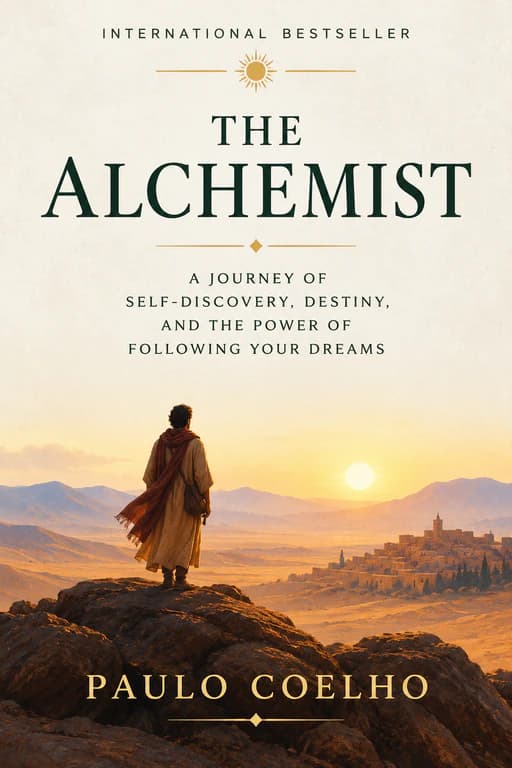
The Alchemist
by Paulo Coelho
A spare, symbolic journey for readers willing to let a novel ask what desire becomes once it is no longer safely unnamed.
One-Page Story
For eleven years, Ana had kept the application booklet in the drawer beneath her socks.
The program changed its cover twice. First it showed a building with tall windows. Later, a person standing beside a rail track. The name of the course was the same. Each year, Ana read the first page, checked the closing date, and returned the booklet to the drawer.
She had reasons.
Some years she was too busy. Some years the fee was too high. Once she had almost applied, then heard that a friend had been rejected and decided the whole thing was more difficult than she had understood.
This year, the application arrived by email.
Ana printed it at the library and filled in the boxes there, using the pen attached to the desk by a chain. She wrote about work she had done without ever calling it work. She named a project that had failed, then another that had not begun because she had not known where to start.
At home, she read the pages again.
The form asked whether she would be available to relocate for nine months.
Ana put a line through her first answer, then wrote another. She crossed that out too.
In the kitchen, the kettle clicked off. Her neighbour knocked to return a bowl and asked whether Ana had plans for the weekend.
“Maybe,” Ana said.
After the neighbour left, Ana opened the application once more. She added the date, attached the pages she had printed, and placed the envelope beside the door.
The postbox was at the end of the street. It would still be there in the morning.
Before going to bed, Ana moved the envelope from beside the door to the table.
Why This Book Matters
The Alchemist has endured because its accessible allegorical form leaves room for readers to bring their own questions about desire, uncertainty, and meaning to the journey it presents.
Its simplicity is part of its particular literary experience: it invites interpretation without requiring one universal reading or treating a symbolic journey as a reliable formula for a life.
Should You Read It?
Read it if...
- You enjoy allegory, philosophical symbolism, and novels that leave their central questions open rather than resolve them through realism.
Skip it if...
- You prefer social realism, psychological detail, or fiction that resists overtly spiritual and inspirational framing.
A Question to Keep
A possibility beside you
What possibility have you allowed to become more real without deciding what you must do about it?
Related Books
2 min read
The Little Prince
What if growing up doesn't only teach us what matters—but also teaches us what to overlook?