Books
Browse the complete collection. Each One-Page Story is designed to help you decide what you may want to read next.
All books
George Orwell
1984
2 min read
1984
What happens to a person when private thought is no longer safely separate from public power?
2 min read
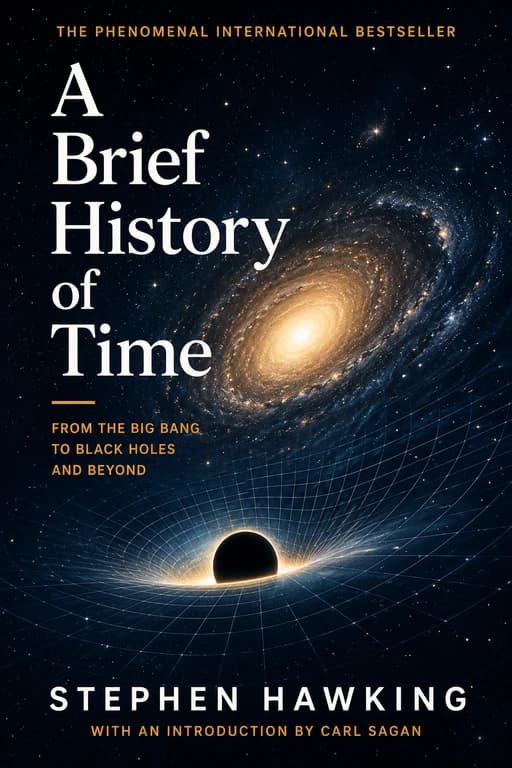
A Brief History of Time
Make room for a question that does not become smaller when you understand a little more.
2 min read
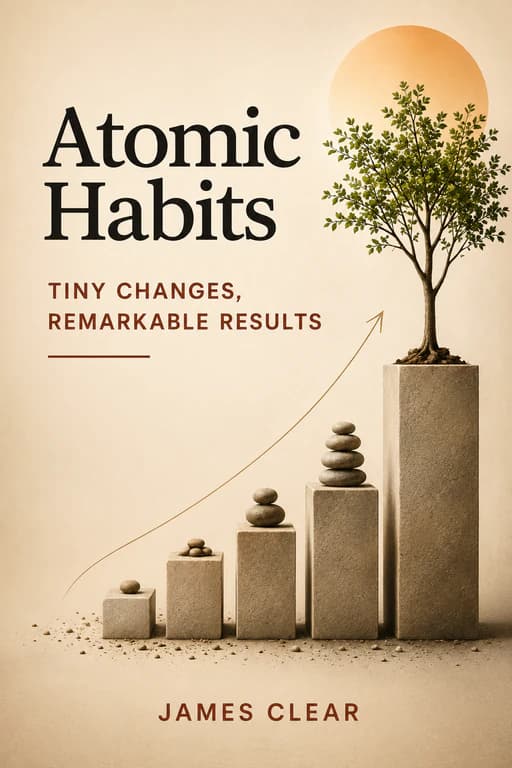
Atomic Habits
by James Clear
For anyone whose good intentions keep disappearing when motivation does—and who wants change to survive ordinary days.
Amir Levine and Rachel Heller
Attached
2 min read
Attached
by Amir Levine and Rachel Heller
A need can be named clearly without becoming a demand that another person can meet.
Trevor Noah
Born a Crime
2 min read
Born a Crime
by Trevor Noah
For readers drawn to memoir in which language can change a person’s social position and humor never cancels historical seriousness, Born a Crime offers a voice unlike a conventional history.
2 min read
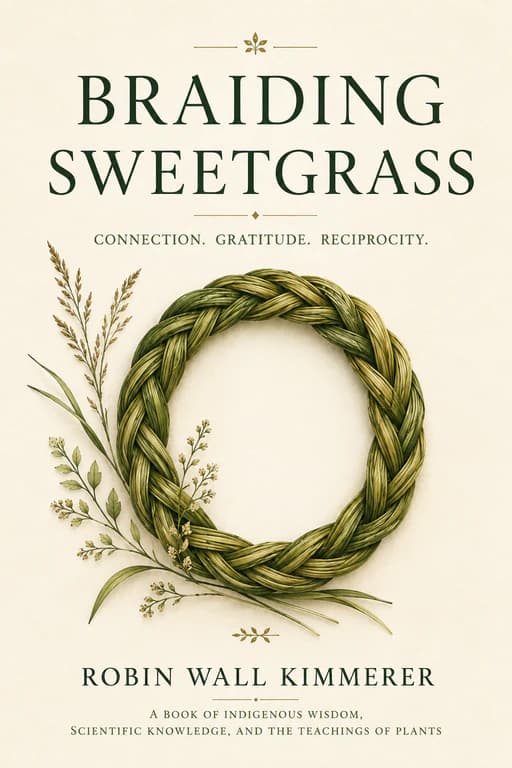
Braiding Sweetgrass
The living world is already sustaining ordinary life in ways that are easy to use without noticing.
Cal Newport
Deep Work
2 min read
Deep Work
by Cal Newport
Some work does not ask for more effort. It asks to be protected long enough to take shape.
Daniel H. Pink
Drive
2 min read
Drive
A readable challenge to the habit of treating motivation as something that can simply be administered from outside.
Tara Westover
Educated
2 min read
Educated
What if gaining a wider vocabulary for your life makes belonging more complicated, rather than simply giving you a way out?
Greg McKeown
Essentialism
2 min read
Essentialism
by Greg McKeown
A direct, memorable framework for examining how commitments gain authority—and whether the way they accumulate deserves more scrutiny than the individual requests.
Hans Rosling, Ola Rosling, and Anna Rosling Rönnlund
Factfulness
2 min read
Factfulness
by Hans Rosling, Ola Rosling and Anna Rosling Rönnlund
Big global claims can sound definitive long before we know what they are measuring. Factfulness offers a readable counterweight, not a final verdict.
Oliver Burkeman
Four Thousand Weeks
2 min read
Four Thousand Weeks
Four Thousand Weeks is for anyone who has noticed that becoming more organised has not made life feel less urgent.
Richard Rumelt
Good Strategy Bad Strategy
2 min read
Good Strategy Bad Strategy
When a plan has room for every good idea, the harder question is what difficulty it is actually trying to change.
Angela Duckworth
Grit
2 min read
Grit
Grit became a touchstone for a familiar unease: talent is easy to admire from a distance, while years of follow-through are harder to see.
2 min read
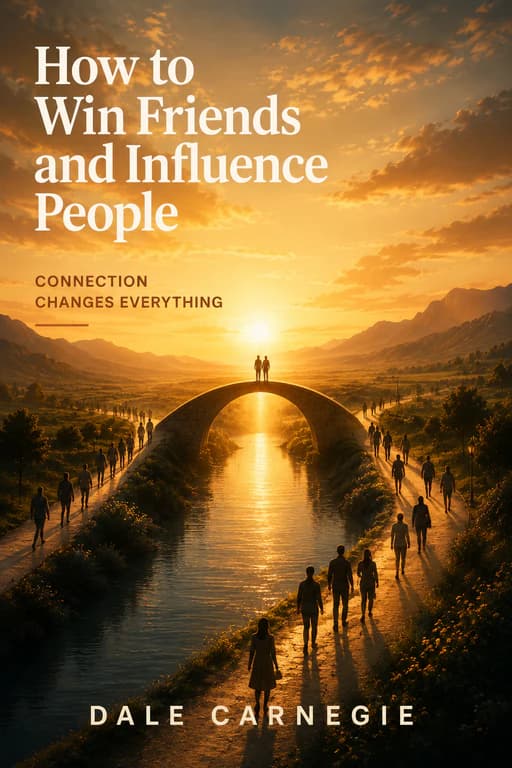
How to Win Friends and Influence People
Carnegie’s 1936 classic endures because it makes social conduct a practical subject—and leaves a live question about where attention ends and technique begins.
Robert B. Cialdini
Influence
2 min read
Influence
Some requests become difficult to assess when their social setting makes agreement feel natural. Influence helps readers notice that pressure without treating every act of generosity as a trap.
William H. McRaven
Make Your Bed
2 min read
Make Your Bed
William H. McRaven’s brief, anecdotal book turns demanding military experience into memorable direct lessons—appealing precisely because a personal rule can be vivid without being universal.
Viktor E. Frankl
Man's Search for Meaning
2 min read
Man's Search for Meaning
A grave book for readers willing to meet historical testimony without asking it to become an inspirational lesson.
2 min read
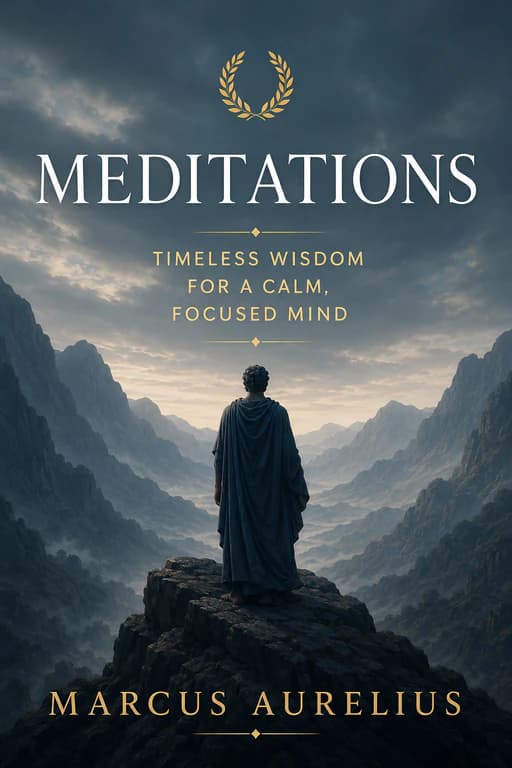
Meditations
When an outcome will not become fairer through further argument, what remains yours to do?
Carol S. Dweck
Mindset
2 min read
Mindset
Before “growth mindset” became classroom shorthand and workplace language, Carol Dweck’s question was narrower and more unsettling: what does a belief about ability make people do when they are being judged?
2 min read
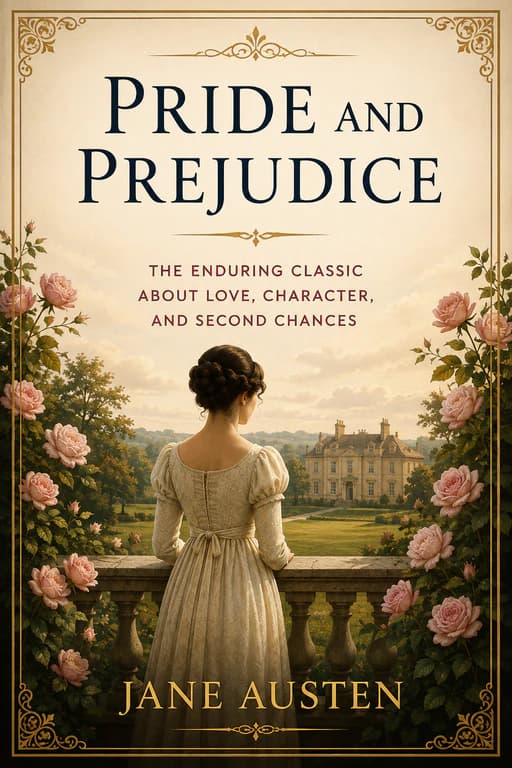
Pride and Prejudice
by Jane Austen
A sharp remark can make a social world feel legible just before it makes it harder to see.
Jason Fried and David Heinemeier Hansson
Rework
2 min read
Rework
by Jason Fried and David Heinemeier Hansson
Rework is a compact challenge to the inherited business rituals that can make a company feel busy before it is clear what it is trying to protect.
Robert T. Kiyosaki
Rich Dad Poor Dad
2 min read
Rich Dad Poor Dad
A provocative money book that made readers question whether salary is the whole story—while asking them to treat its answers as arguments, not instructions.
Yuval Noah Harari
Sapiens
2 min read
Sapiens
A rule can feel natural until you notice how much shared practice it asks strangers to carry.
Austin Kleon
Show Your Work!
2 min read
Show Your Work!
by Austin Kleon
A short creative-practice book for makers who want a less private relationship to their work without turning themselves into a brand.
Simon Sinek
Start With Why
2 min read
Start With Why
by Simon Sinek
Sinek’s enduring appeal is rhetorical: a simple diagram promises a way to make an organization sound less like a list of deliverables and more like a coherent claim.
Stephen R. Covey
The 7 Habits of Highly Effective People
2 min read
The 7 Habits of Highly Effective People
Covey’s confidence is part of the experience: seven habits meant to organize personal conduct and cooperation into one demanding whole.
2 min read
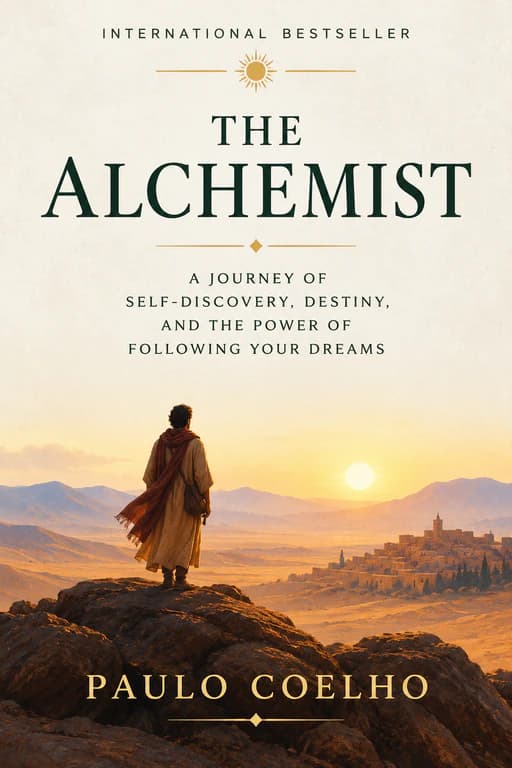
The Alchemist
by Paulo Coelho
A spare, symbolic journey for readers willing to let a novel ask what desire becomes once it is no longer safely unnamed.
Eric Jorgenson
The Almanack of Naval Ravikant
2 min read
The Almanack of Naval Ravikant
An unusually browseable collection of Naval Ravikant\'s public ideas, arranged by Eric Jorgenson for readers who like carrying a compact claim around long enough to question it.
Rolf Dobelli
The Art of Thinking Clearly
2 min read
The Art of Thinking Clearly
by Rolf Dobelli
Rolf Dobelli makes recurring judgment errors easy to recognize in short, vivid chapters; the value lies in the pause a label can create, not in treating it as the whole explanation.
Bessel van der Kolk
The Body Keeps the Score
2 min read
The Body Keeps the Score
When a book changes the public language around trauma, how should a reader approach it with both attention and caution?
Rick Rubin
The Creative Act
2 min read
The Creative Act
by Rick Rubin
When an early version of your work starts to feel like a verdict on the whole idea, Rick Rubin offers a spacious way to return to attention, experiment, and the material in front of you.
2 min read
The Design of Everyday Things
by Don Norman
An object can make a reasonable action feel like a personal mistake.
John Green
The Fault in Our Stars
2 min read
The Fault in Our Stars
by John Green
Banter, intimacy, and the wish to be known sit close to fear in The Fault in Our Stars, a contemporary young-adult novel that meets emotional exposure with unsentimental wit.
Don Miguel Ruiz
The Four Agreements
2 min read
The Four Agreements
A brief, conviction-led book of spiritual self-examination: its appeal lies in carrying a few broad principles through ordinary life, not in proving them.
Arundhati Roy
The God of Small Things
2 min read
The God of Small Things
The order in which a life is remembered can be as consequential as the events themselves.
Rebecca Skloot
The Immortal Life of Henrietta Lacks
2 min read
The Immortal Life of Henrietta Lacks
Scientific progress can be real without making the human terms of that progress simple.
2 min read
The Lean Startup
by Eric Ries
A plan can become more convincing as it becomes more detailed—even when its most important question remains unanswered.
2 min read
The Little Prince
What if growing up doesn't only teach us what matters—but also teaches us what to overlook?
2 min read
The ONE Thing
by Gary Keller and Jay Papasan
Keller and Papasan offer a deliberately forceful way to challenge a crowded task list when activity has begun to feel more convincing than progress.
Charles Duhigg
The Power of Habit
2 min read
The Power of Habit
A reported, story-led way into a familiar self-help subject—for readers more interested in how patterns take hold than in being handed another daily system.
2 min read
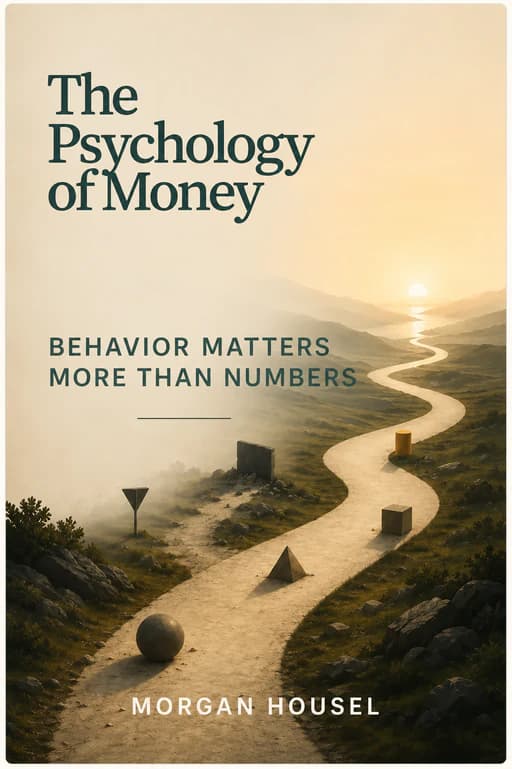
The Psychology of Money
How often do we call a money decision obvious only after the future has made it look that way?
Kazuo Ishiguro
The Remains of the Day
2 min read
The Remains of the Day
Some lives are most difficult to read at the point where they sound most composed.
Peter Frankopan
The Silk Roads
2 min read
The Silk Roads
What changes in a history of the world when Asia, the Middle East, and long-distance exchange become organizing questions rather than background context?
Mark Manson
The Subtle Art of Not Giving a F*ck
2 min read
The Subtle Art of Not Giving a F*ck
by Mark Manson
For readers who would rather be challenged than soothed by a self-development book—provided they can live with bluntness standing in for nuance.
Tim Harford
The Undercover Economist
2 min read
The Undercover Economist
by Tim Harford
An ordinary transaction can look simple until you ask what each person can afford to wait for.
Steven Pressfield
The War of Art
2 min read
The War of Art
The War of Art turns creative friction into an adversary. Its charge is unmistakable; so is the question of what that metaphor leaves out.
Chinua Achebe
Things Fall Apart
2 min read
Things Fall Apart
Before outsiders arrive in a novel, a community has already been arguing, celebrating, judging, and governing itself.
Donella H. Meadows
Thinking in Systems
2 min read
Thinking in Systems
Why do sensible actions, repeated in good faith, sometimes create outcomes no one chose?
Paul Kalanithi
When Breath Becomes Air
2 min read
When Breath Becomes Air
A literary memoir in which medicine, work, and private life are tested by the fact that a physician becomes a patient—not resolved by it.
Matthew Walker
Why We Sleep
2 min read
Why We Sleep
If rest keeps becoming the flexible part of a full life, Why We Sleep offers an ambitious, accessible argument for seeing sleep as more than the time left over after everything else.
Peter Thiel and Blake Masters
Zero to One
2 min read
Zero to One
by Peter Thiel and Blake Masters
A short, forceful book for readers curious why one Silicon Valley argument has remained so hard to agree with, dismiss, or forget.